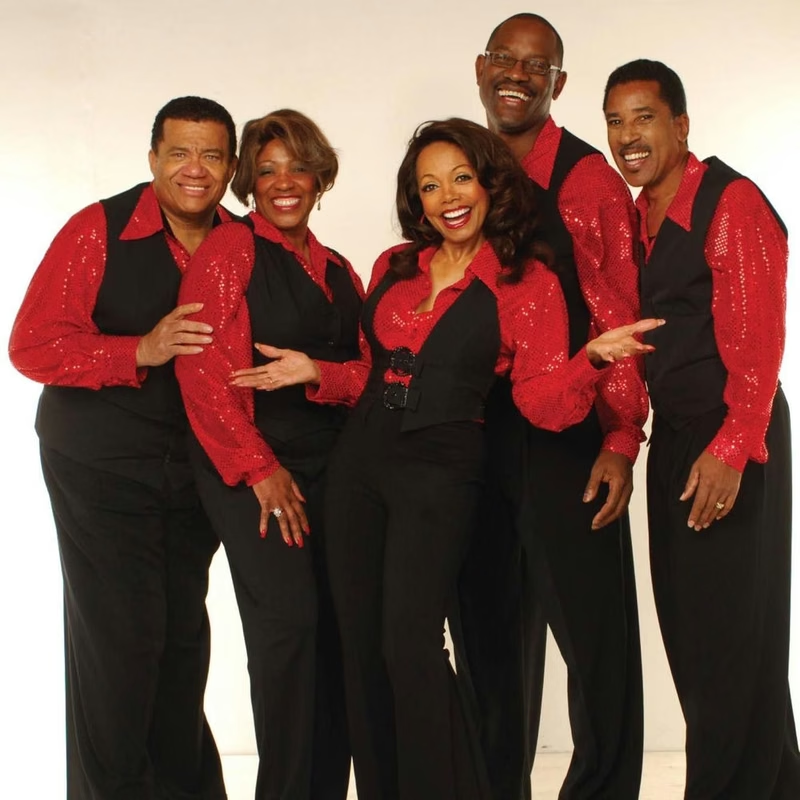
The 5th Dimension

They walked onto the stage in the late 1960s wearing matching outfits and singing harmonies that sounded like they had been rehearsing together since birth. The 5th Dimension came out of Los Angeles, a vocal group that blended pop, soul, and jazz into a sound that radio programmers did not know how to categorize at the time. They were not quite soul, not quite pop, not quite Broadway -- they were all of those things at once, and the combination made them one of the most successful vocal groups of the late 1960s.

"Up, up and away in my beautiful balloon"

-- from Up, Up and Away

The cost was being too smooth for the political moment they were living through. The late 1960s were a time of upheaval in America, and Black music was becoming increasingly politicized in response to the civil rights movement and the growing frustration with the pace of change. The 5th Dimension's sound was optimistic, polished, and radio-friendly at a time when the culture was demanding something harder and more confrontational. They were criticized by some for not being Black enough, for making music that white audiences found comfortable rather than challenging. The group navigated this tension by staying true to their sound while quietly supporting the movement behind the scenes -- Marilyn McCoo and Billy Davis Jr. participated in benefit concerts and civil rights events, but their music remained in the lane they had chosen for themselves.

Aquarius/Let the Sunshine In is the one. Released in 1969, the medley combined two songs from the musical Hair and became a number one hit that spent six weeks at the top of the charts. The song won Record of the Year at the Grammys and became the defining track of the group's career. The harmonies were flawless, the arrangement built to a crescendo that felt like liberation arriving, and the message of peace and understanding hit exactly the note that the late 1960s needed. They followed it with Wedding Bell Blues, One Less Bell to Answer, and Never My Love -- each one a masterclass in pop vocal arrangement that demonstrated range beyond their distinctive sound.

The 5th Dimension proved that Black vocal groups did not have to fit the mold of soul or R&B to succeed at the highest level. They created a lane that was entirely their own, blending the precision of Broadway with the warmth of gospel harmony and the accessibility of pop radio. Their catalog has been used in commercials, films, and television shows for decades because the songs are built to outlast the trends that surrounded them. The summer that Aquarius described may never fully arrive, but the song still plays like it believes it is coming tomorrow.

Image Credits

1,414 artist portraits across 5 genres (Rock, Jazz, Soul, Blues, Folk). 1,363 sourced from Wikipedia (Creative Commons / Public Domain), 50 from Deezer (promotional artwork).

Full attribution breakdown →

The 5th Dimension

They walked onto the stage in the late 1960s wearing matching outfits and singing harmonies that sounded like they had been rehearsing together since birth. The 5th Dimension came out of Los Angeles, a vocal group that blended pop, soul, and jazz into a sound that radio programmers did not know how to categorize at the time. They were not quite soul, not quite pop, not quite Broadway -- they were all of those things at once, and the combination made them one of the most successful vocal groups of the late 1960s.

"Up, up and away in my beautiful balloon"

-- from Up, Up and Away

The cost was being too smooth for the political moment they were living through. The late 1960s were a time of upheaval in America, and Black music was becoming increasingly politicized in response to the civil rights movement and the growing frustration with the pace of change. The 5th Dimension's sound was optimistic, polished, and radio-friendly at a time when the culture was demanding something harder and more confrontational. They were criticized by some for not being Black enough, for making music that white audiences found comfortable rather than challenging. The group navigated this tension by staying true to their sound while quietly supporting the movement behind the scenes -- Marilyn McCoo and Billy Davis Jr. participated in benefit concerts and civil rights events, but their music remained in the lane they had chosen for themselves.

Aquarius/Let the Sunshine In is the one. Released in 1969, the medley combined two songs from the musical Hair and became a number one hit that spent six weeks at the top of the charts. The song won Record of the Year at the Grammys and became the defining track of the group's career. The harmonies were flawless, the arrangement built to a crescendo that felt like liberation arriving, and the message of peace and understanding hit exactly the note that the late 1960s needed. They followed it with Wedding Bell Blues, One Less Bell to Answer, and Never My Love -- each one a masterclass in pop vocal arrangement that demonstrated range beyond their distinctive sound.

The 5th Dimension proved that Black vocal groups did not have to fit the mold of soul or R&B to succeed at the highest level. They created a lane that was entirely their own, blending the precision of Broadway with the warmth of gospel harmony and the accessibility of pop radio. Their catalog has been used in commercials, films, and television shows for decades because the songs are built to outlast the trends that surrounded them. The summer that Aquarius described may never fully arrive, but the song still plays like it believes it is coming tomorrow.

The Sunday Drop
One song. One story. Every Sunday.

No algorithms. No trending sections. Just a song someone loved and the story behind it. Delivered Sunday morning.

Free. No spam. Unsubscribe anytime.

Image Credits

1,414 artist portraits across 5 genres (Rock, Jazz, Soul, Blues, Folk). 1,363 sourced from Wikipedia (Creative Commons / Public Domain), 50 from Deezer (promotional artwork).

Full attribution breakdown →

0:00
0:00
The Sunday Drop One song. One story. Every Sunday.