The cost of that shadow was the decade before the light found her. Destiny's Child was not a democracy -- it was a machine built around one voice, and the other members cycled through as the formula required. Kelly stayed through every lineup change, every management shift, every album cycle where she sang backup on songs she could have led in another context. She kept working through the frustration, kept improving as a vocalist, kept building a catalog of her own on the side. Her debut solo album Simply Deep in 2002 went platinum and produced the international hit Stole. She did not leave the group to prove she could survive alone. She stayed in the group while proving she could survive alone, and that distinction mattered.
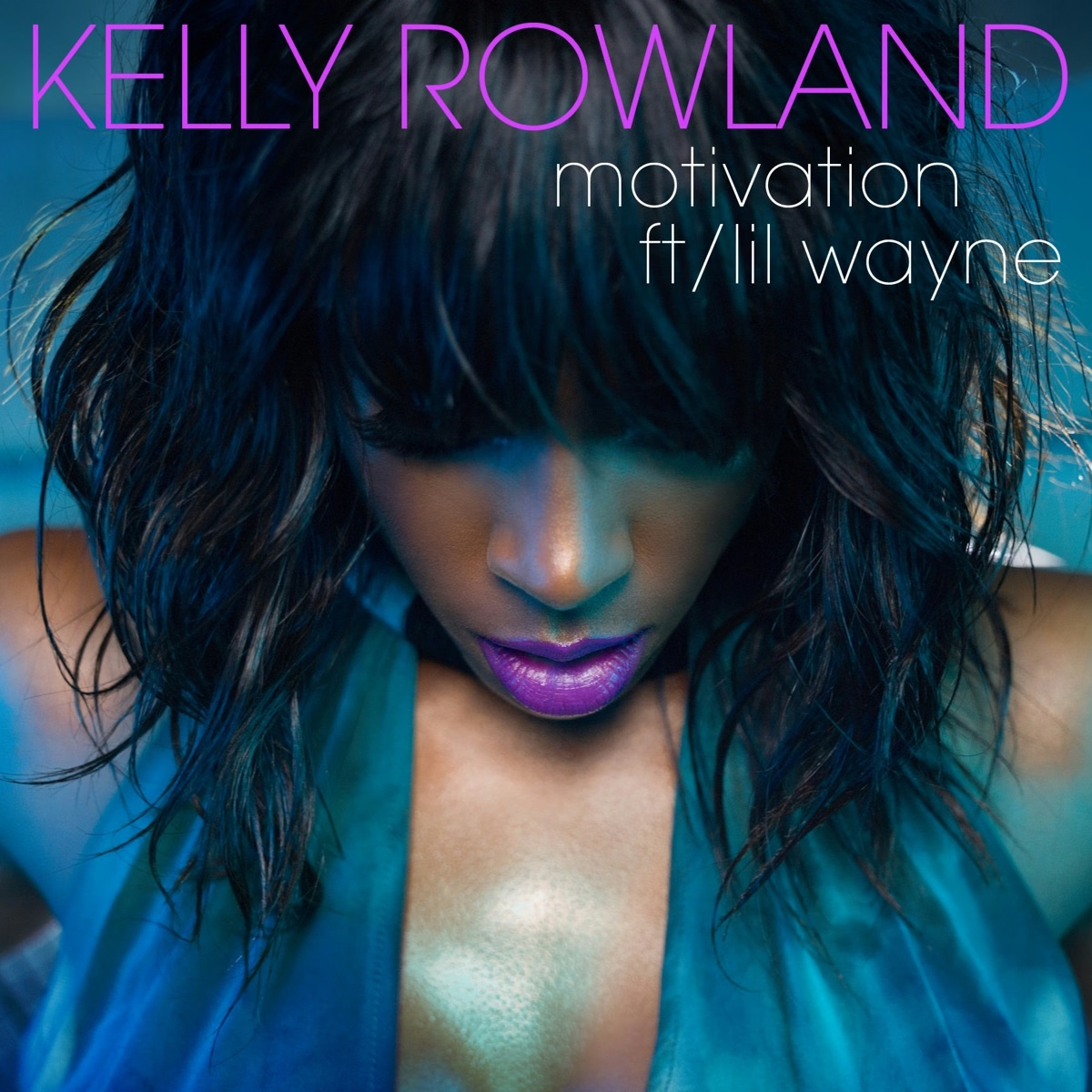
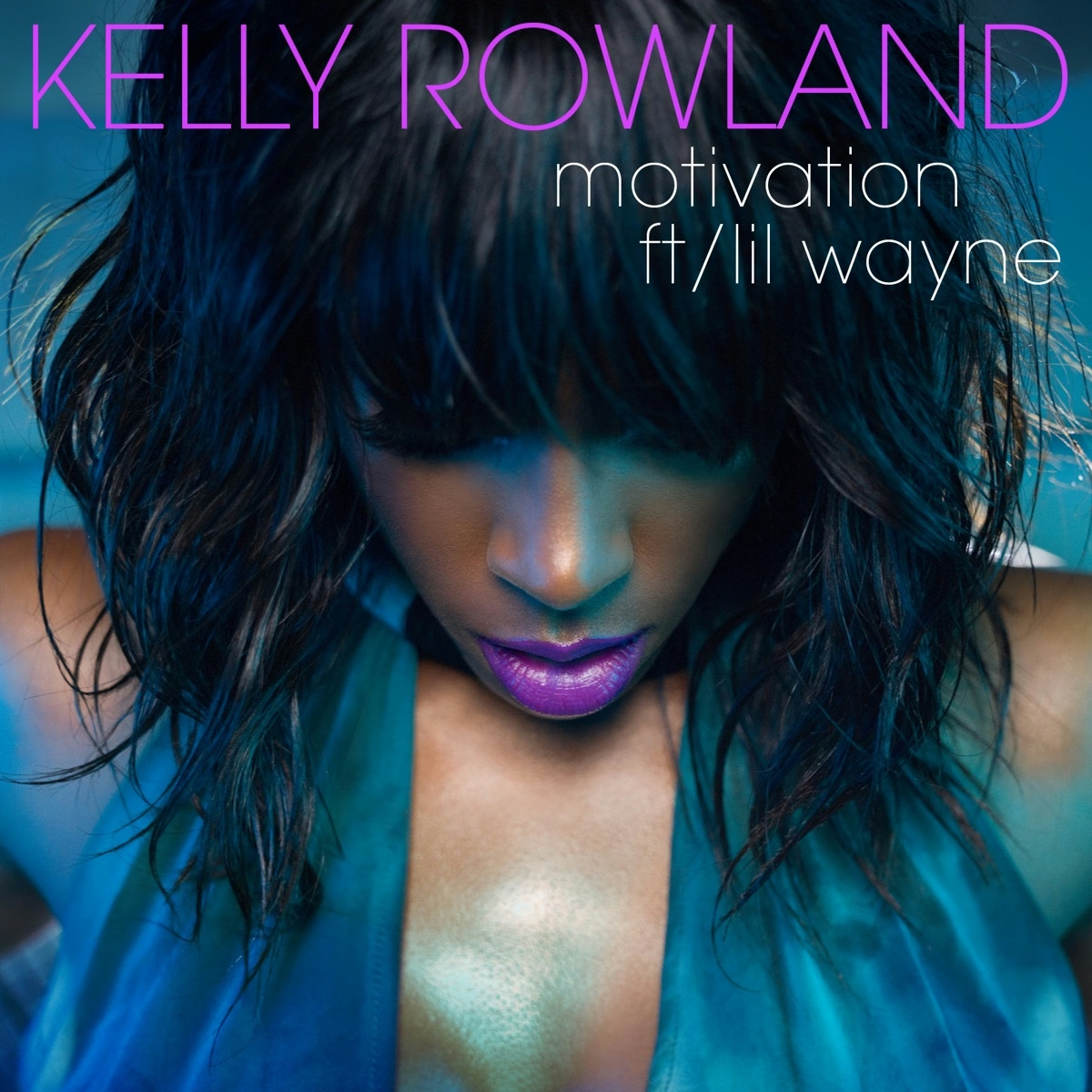
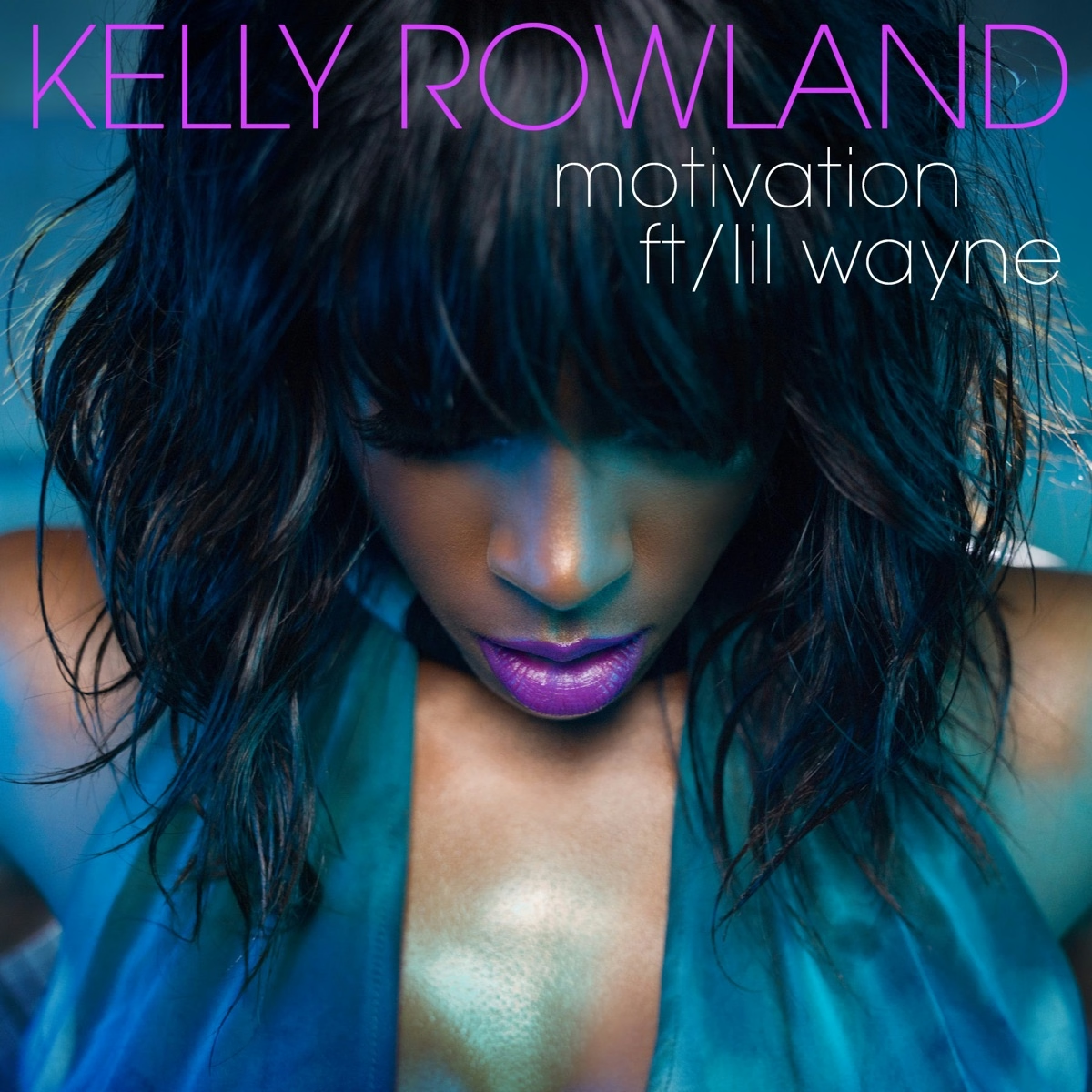
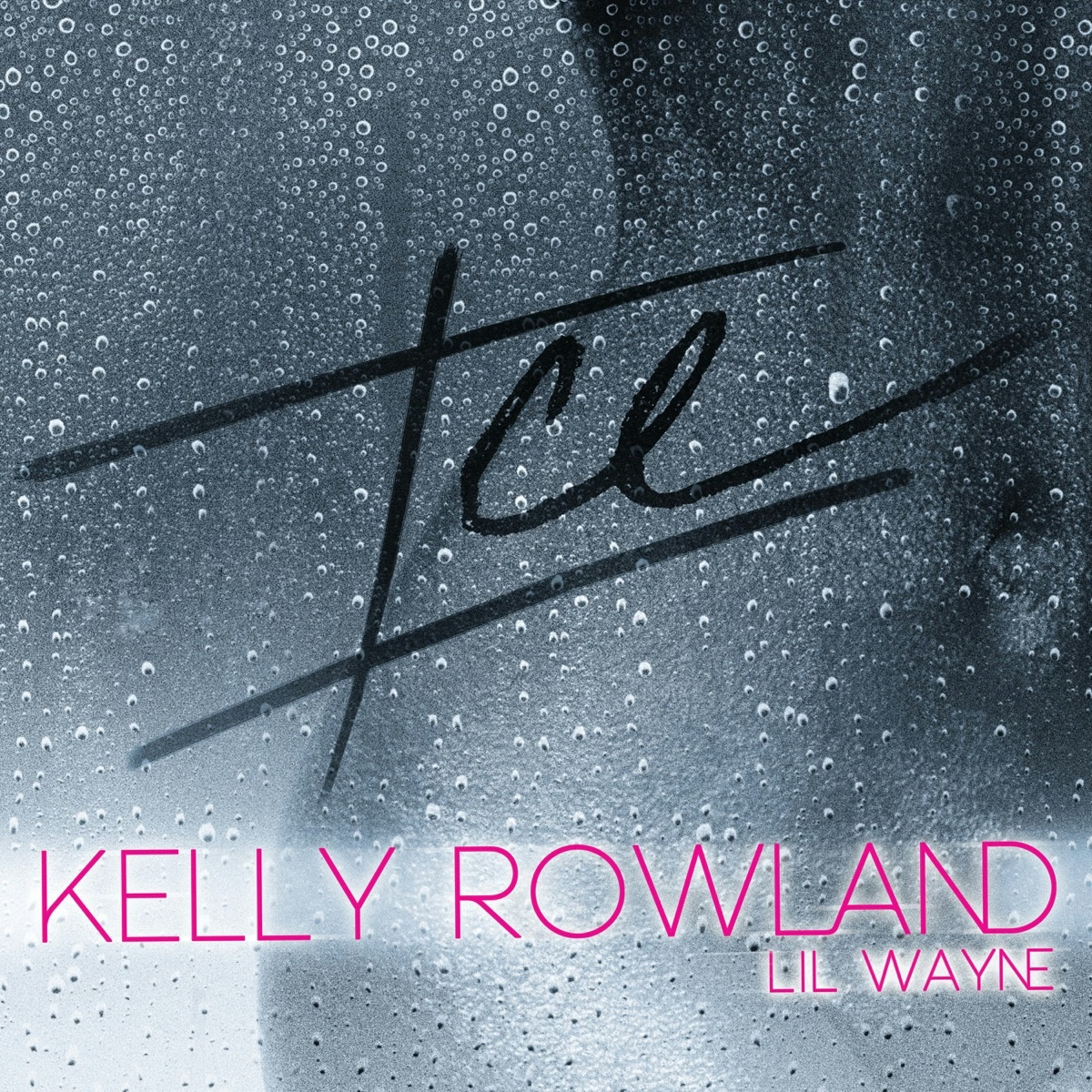
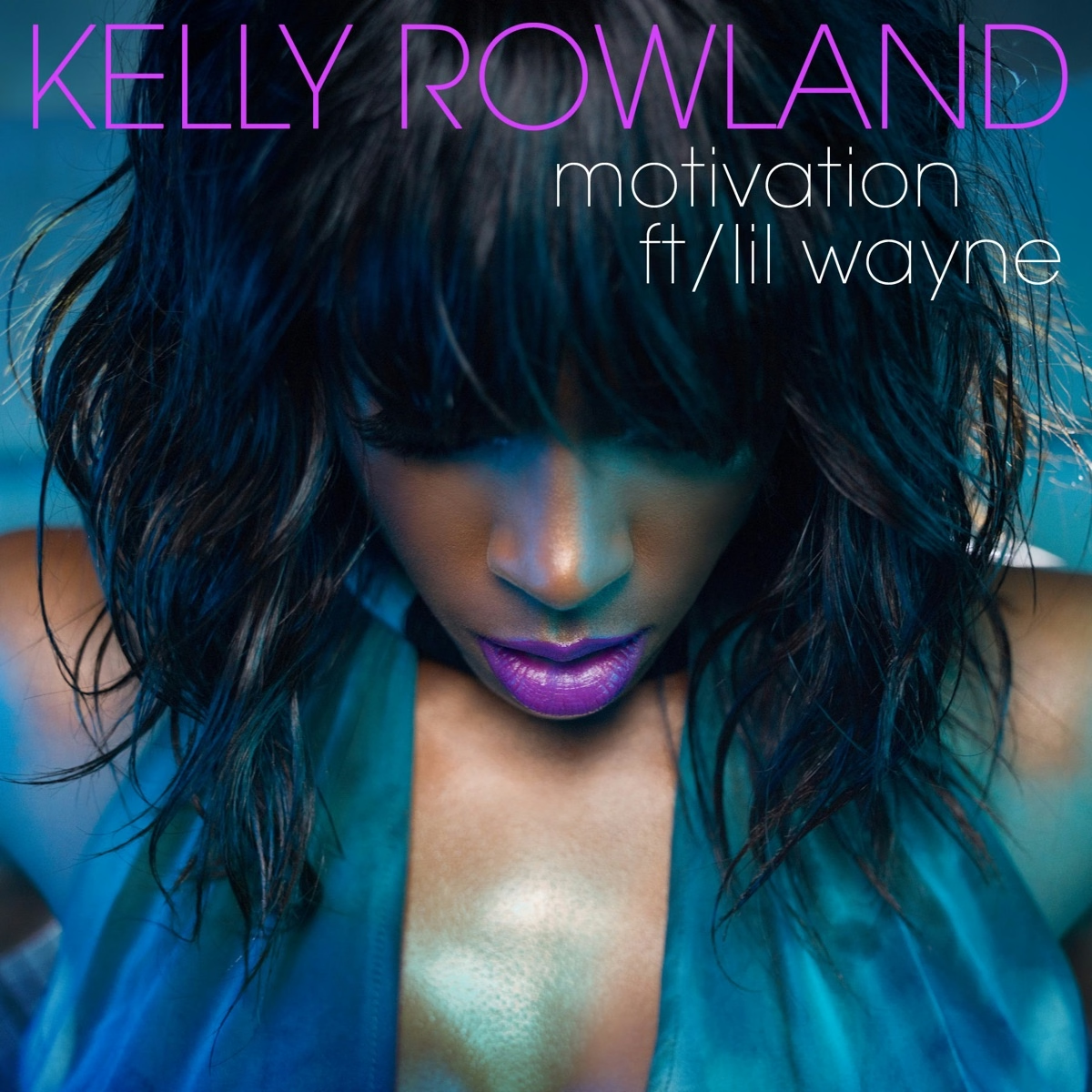
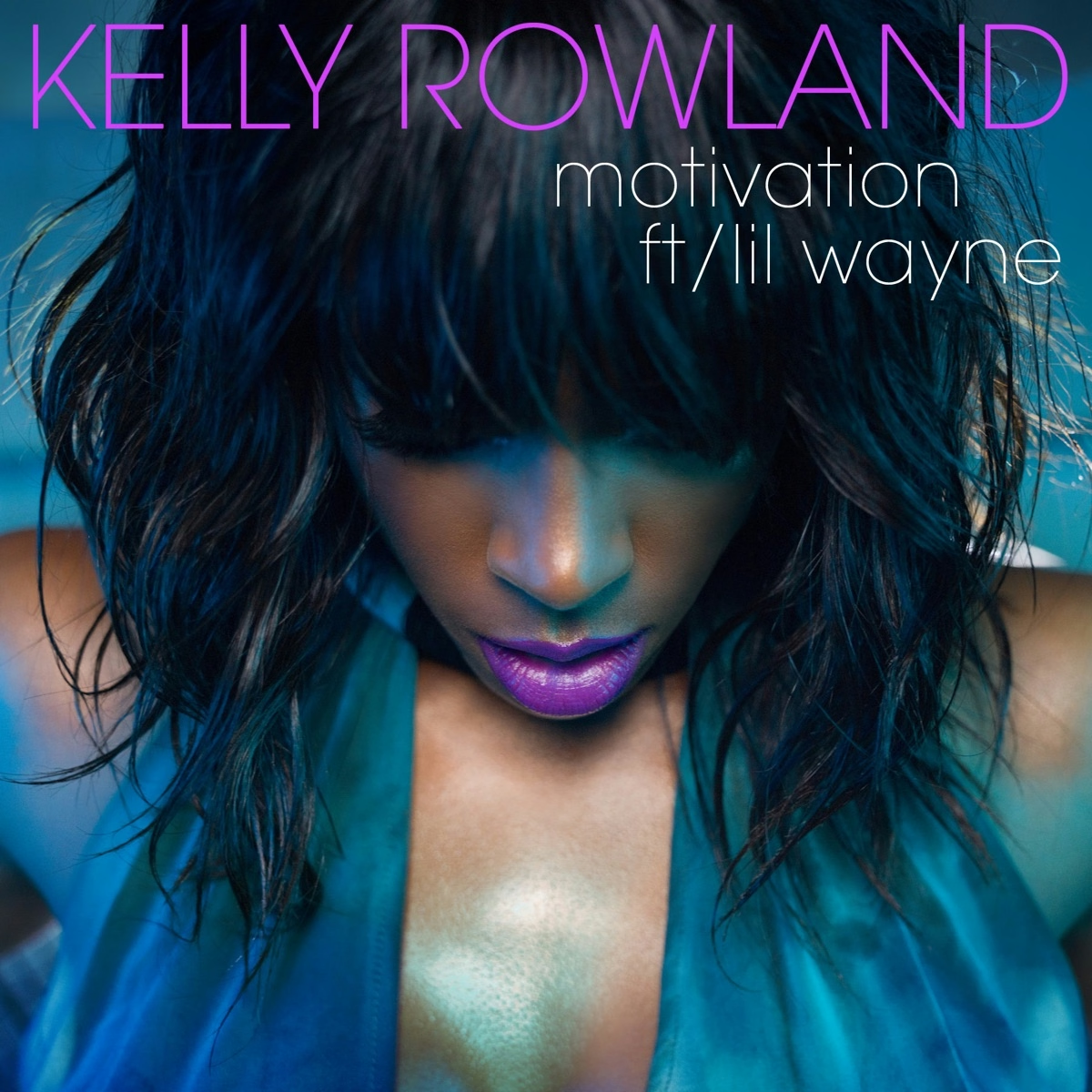
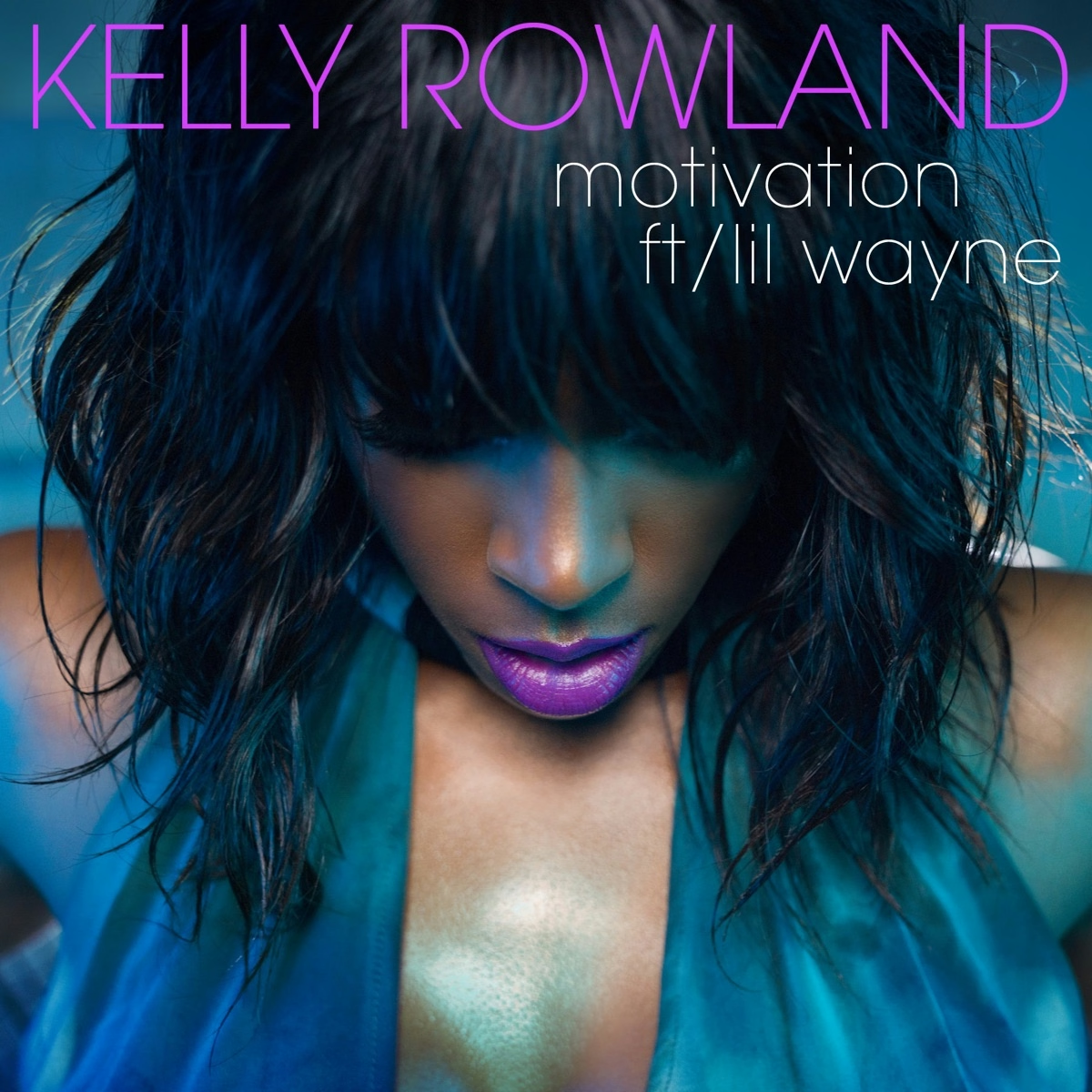
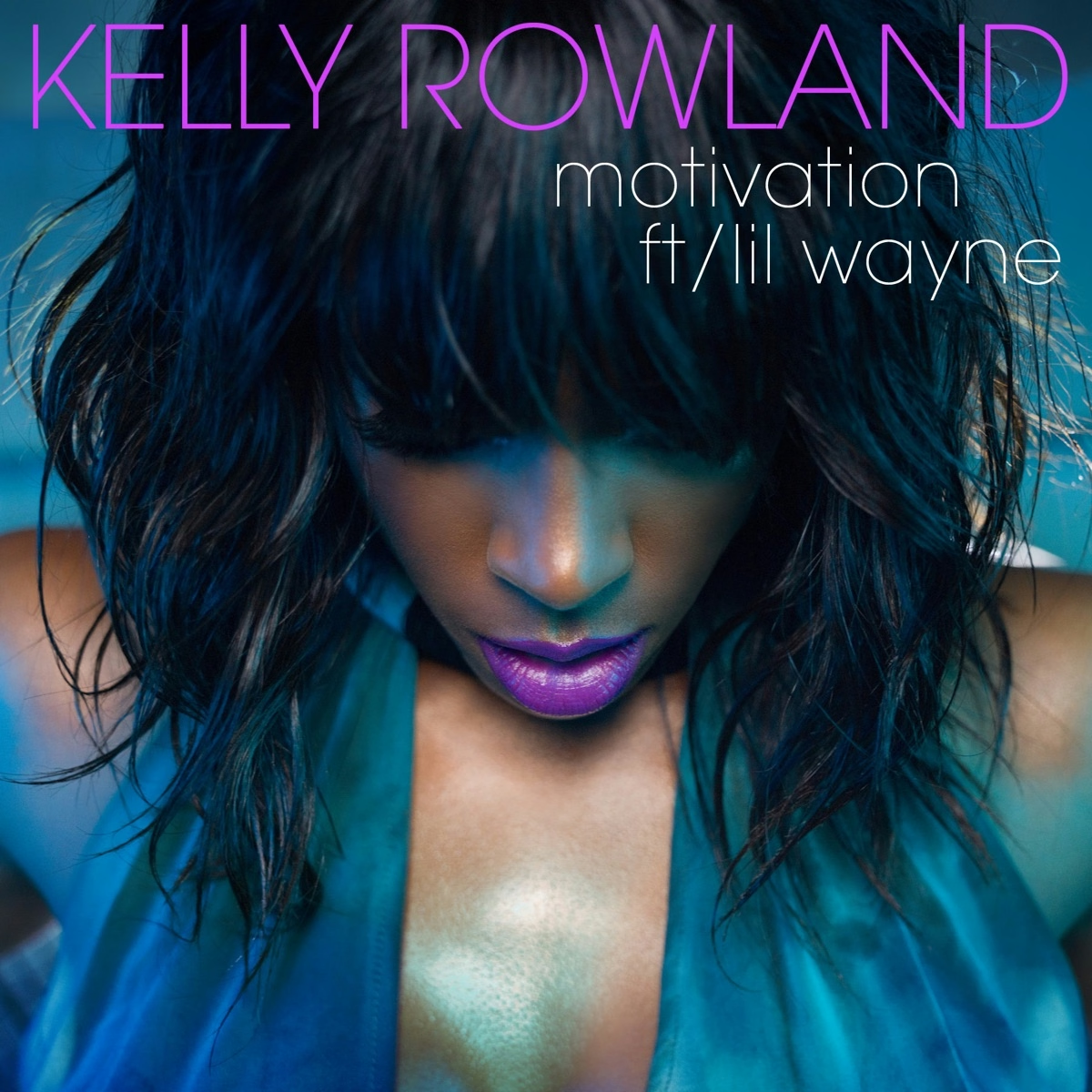
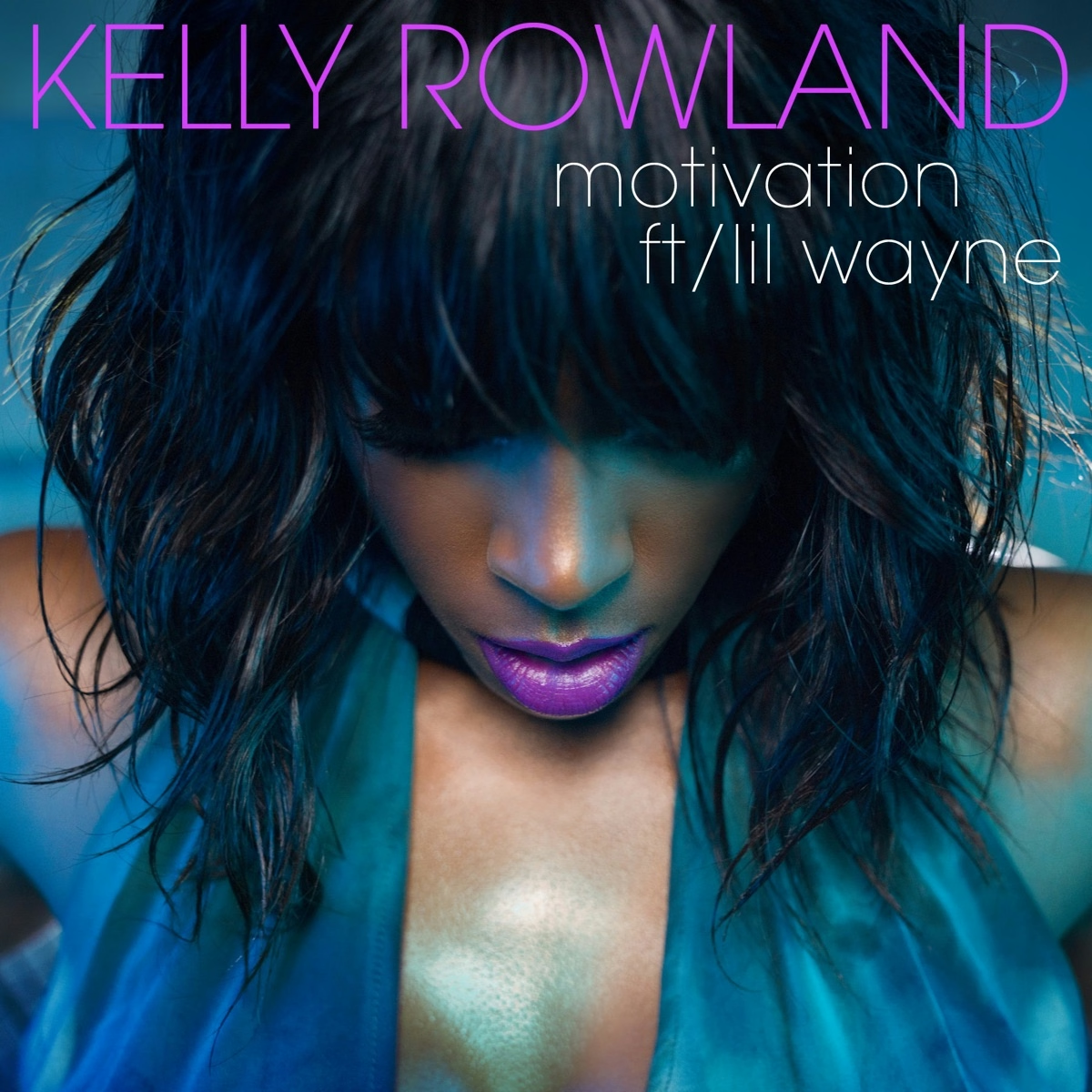
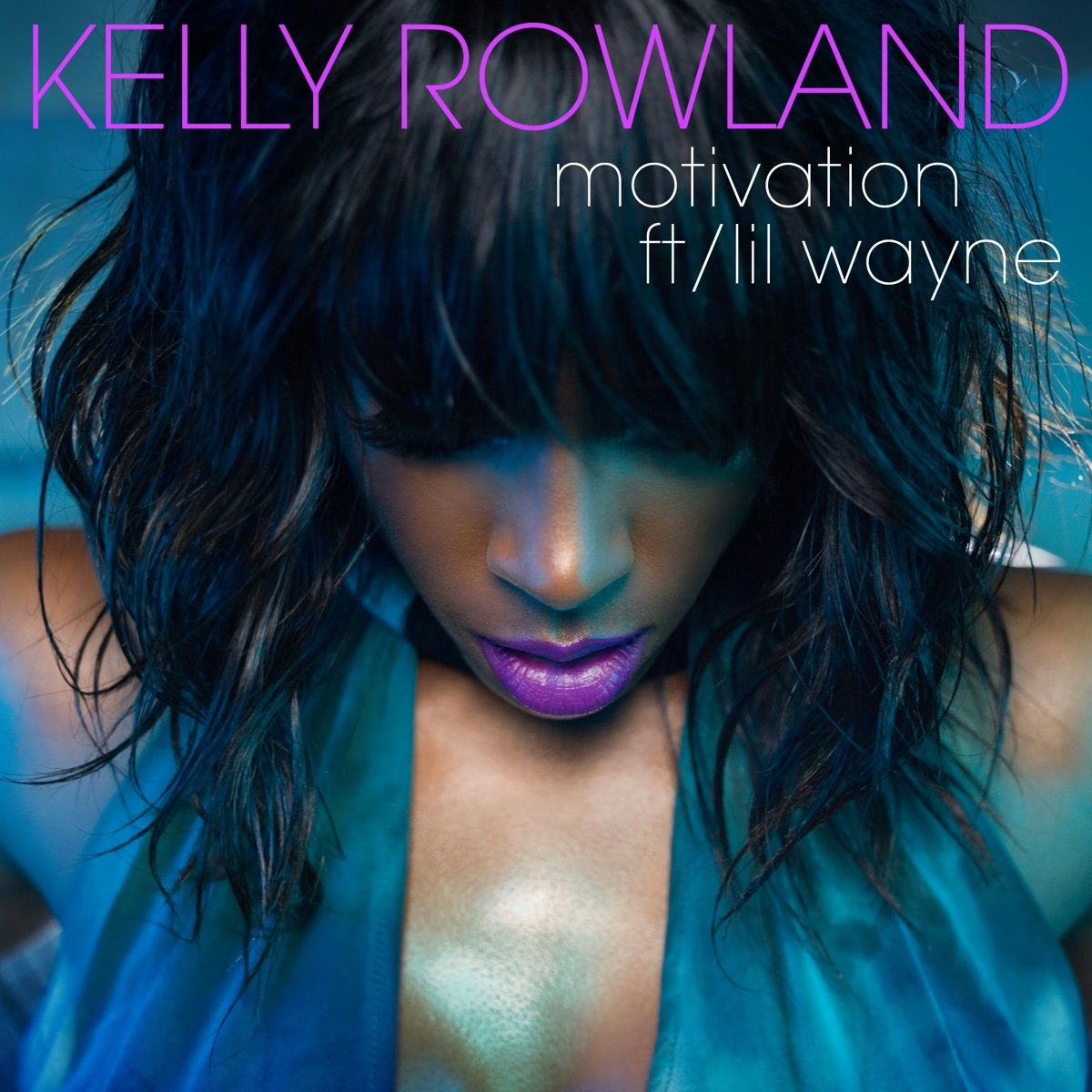
Motivation is the one. Released in 2011, produced by Lil Wayne and featuring the kind of beat that sounds simple until you try to replicate it, the song became a club standard and a Billboard hit. Kelly's vocal sat on top of the track like she had been waiting for that exact beat her entire career. She followed it with Commander, a dance track that crossed over into the European market and proved she could move beyond American R&B without losing her core audience.
She judged on the X Factor. She acted in films. She released a gospel album. The voice was versatile enough to handle any genre, and the work ethic was steady enough to sustain a career that most solo artists from groups never manage to build after the group ends.
Kelly Rowland's legacy is not that she escaped a shadow. It is that she built a career so solid that the shadow eventually became irrelevant. She never needed to be the biggest star in the room. She needed to be the one who lasted longest, who adapted most, who kept making music that people actually wanted to hear. Twenty years after Dilemma, she is still here, still recording, still sounding like the voice that could have been the lead all along -- and she never raised her voice to prove it.
![BED (The Remixes) [Pt.2] (2021)](/images/album-art/Soul/kelly-rowland_bed.avif)
![Hero (Remixes) [Pt. 2] (2021)](/images/album-art/Soul/kelly-rowland_hero.avif)