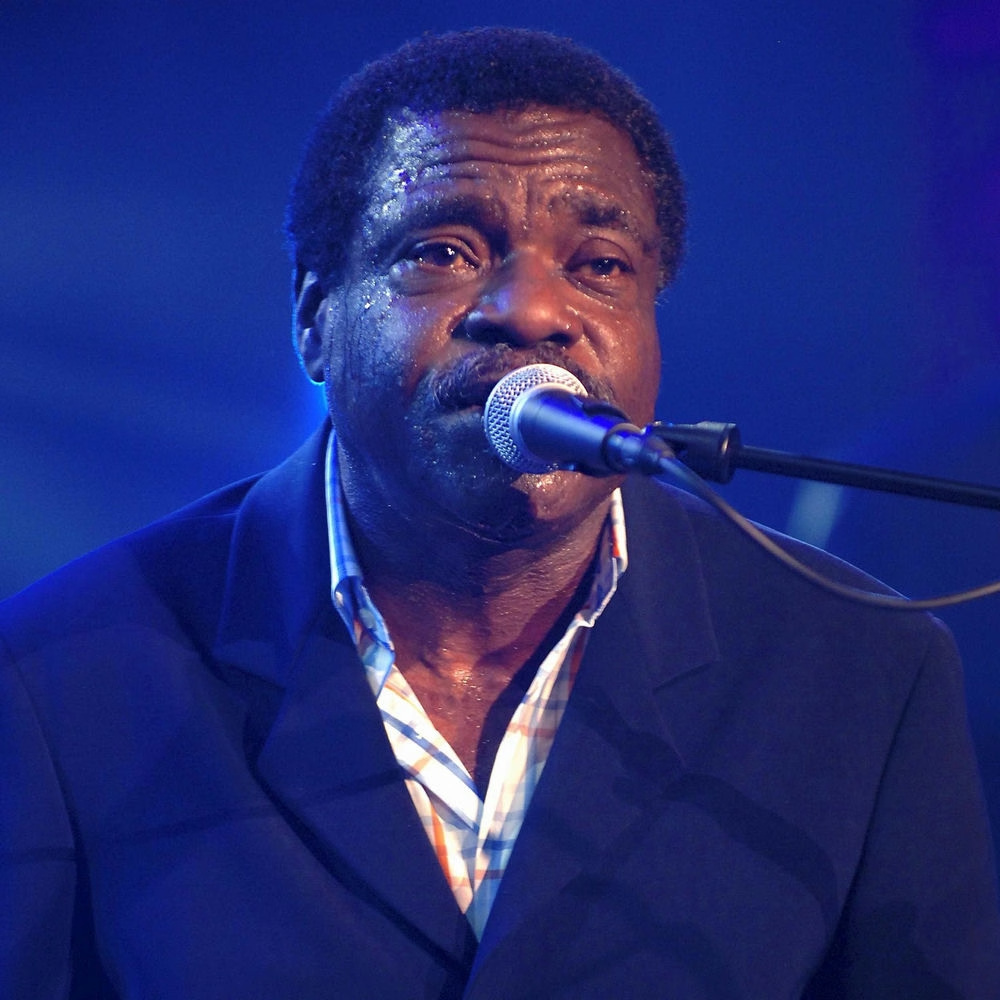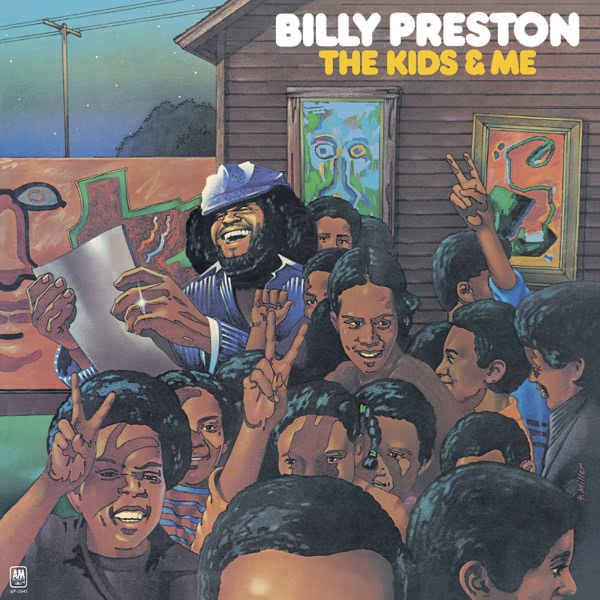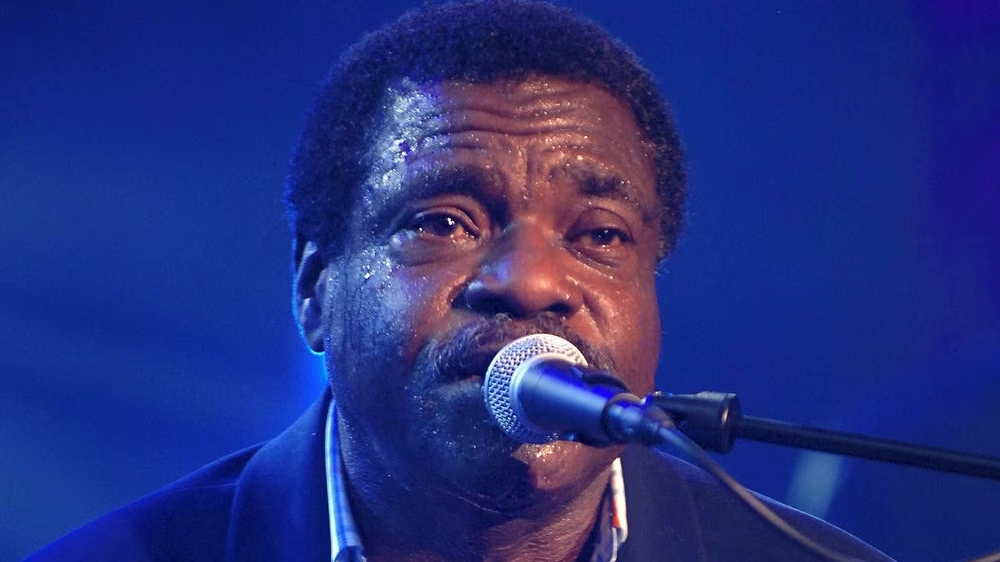
The paradox of his gift was that it kept him in the background. Preston was so good at making other people sound better that the biggest acts in the world competed for his time, which meant his own career always took a backseat. He had been a child prodigy playing organ in church at three, backing Mahalia Jackson at ten, sharing a stage with Nat King Cole at twelve, touring with Little Richard as a teenager. By the time he was twenty-five he had played with Sam Cooke, Ray Charles, and the Rolling Stones on Sticky Fingers and Exile on Main St.. The problem was that everyone wanted him in their band, and nobody wanted to be in his.
Will It Go Round in Circles is the one. Released in 1972, the song went to number one and proved that Preston could front a band as well as he could support one. The piano riff is built around a simple figure that repeats and builds, creating a momentum that feels like a spiral staircase. The vocal is joyful in a way that gospel singers understand -- not happiness, but release.
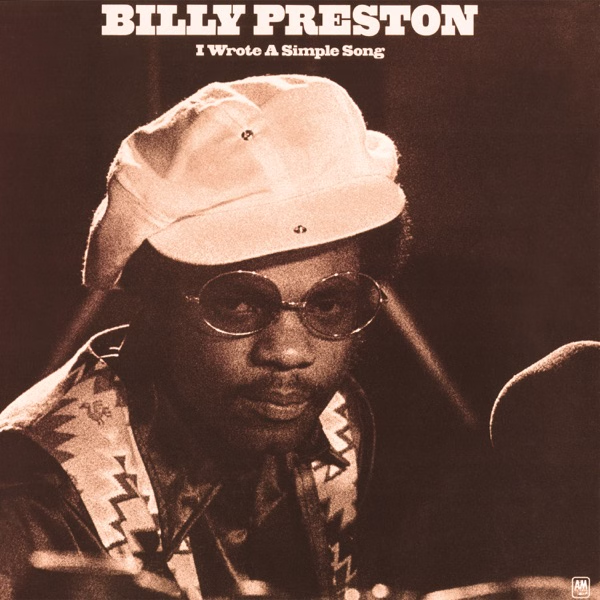
He followed it with Space Race and Nothing from Nothing, both hits that proved he could command the charts.
Billy Preston died in 2006 at fifty-nine. The obituaries listed the landmark albums he had played on, but the real story was what he had shown every musician who came after him: that playing behind someone else is not a consolation prize. The organist who makes the soloist sound better is doing something harder than playing the solo. Preston spent his life proving that the background was not a lesser place to be.